Understanding Your Car's Owner's Manual: A Comprehensive Guide

Decoding Your Car's Owner's Manual The Ultimate Guide
Okay, so you've got a new (or new-to-you) car. Congratulations! It smells nice, drives smooth, and… you're staring blankly at the thick brick of paper in the glove compartment. That's your owner's manual. Don't let it intimidate you! Think of it as your car's personal instruction book. It's packed with vital information that can save you time, money, and a whole lot of headaches. Seriously, reading it – even just skimming it – is one of the best things you can do for your car's longevity and your peace of mind.
Why Bother Reading Your Car's Owner's Manual Key Benefits
Seriously, why bother? Here's the deal:
- Preventing Costly Repairs: Your manual outlines proper maintenance schedules. Ignoring these can lead to serious problems down the road. Think of it like this: changing your oil regularly is way cheaper than replacing an engine.
- Understanding Your Car's Features: Modern cars are complex machines. Your manual explains how all those buttons, dials, and screens actually work. You might be surprised at what your car can do! Heated seats? Automatic parking? Learn to use them!
- Troubleshooting Minor Issues: Sometimes, your car will throw a hissy fit. A light might come on, or something might sound funny. The manual often has troubleshooting tips for common problems. You might be able to fix it yourself and save a trip to the mechanic.
- Safety First: Your manual contains important safety information, including details about airbags, seatbelts, and other safety systems. Knowing this information can literally save your life.
- Warranty Information: Understanding your warranty is crucial. The manual outlines what's covered, what's not, and how to make a claim. Don't get caught off guard!
Navigating the Owner's Manual A Section by Section Breakdown
Owner's manuals can seem overwhelming, but they're usually organized logically. Here's a breakdown of what you can typically find:
- Vehicle Identification: This section includes your VIN (Vehicle Identification Number), which is like your car's fingerprint. You'll need this for insurance, registration, and repairs.
- Safety Information: As mentioned earlier, this section covers important safety features and procedures. Pay close attention!
- Operating Instructions: This is where you'll find information on starting the engine, using the lights, adjusting the mirrors, and other basic functions.
- Features and Controls: This section explains how all the fancy gadgets and gizmos work. Learn how to use the navigation system, the Bluetooth connection, and the climate control.
- Maintenance Schedule: This is the most important section! It outlines when you need to change the oil, rotate the tires, replace the air filter, and perform other essential maintenance tasks.
- Troubleshooting: This section offers tips for diagnosing and fixing common problems.
- Technical Specifications: This section provides detailed information about your car's engine, transmission, and other components.
- Warranty Information: This section explains your warranty coverage.
Essential Fluids and Filters Understanding Your Car's Lifeblood
Your car relies on various fluids and filters to function properly. The manual will tell you what type of fluids to use and how often to change them.
- Engine Oil: This lubricates the engine's moving parts and keeps it running smoothly. Use the correct type of oil specified in the manual. Popular brands include Mobil 1 Synthetic (known for its protection) and Castrol Edge (for high-performance vehicles). Prices range from $30-$70 per 5-quart jug. Compare prices at auto parts stores like AutoZone and Advance Auto Parts.
- Coolant: This prevents the engine from overheating. Use the correct type of coolant (usually a 50/50 mix of antifreeze and water). Prestone is a widely available and reliable brand. Expect to pay around $15-$25 per gallon.
- Brake Fluid: This is essential for safe braking. Check the fluid level regularly and top it off as needed. DOT 3 or DOT 4 brake fluid are common. Brands like Valvoline and Bosch are reputable. Prices are usually $10-$20 per quart.
- Power Steering Fluid: This makes it easier to steer the car. Check the fluid level regularly and top it off as needed. Use the type of fluid specified in the manual. Lucas Oil Power Steering Fluid is a popular choice, often priced around $10-$15.
- Transmission Fluid: This lubricates the transmission and keeps it shifting smoothly. Changing the transmission fluid is a more complex task, so you might want to take it to a mechanic. Use the correct type of fluid specified in the manual. Aisin transmission fluid is often recommended for Japanese vehicles. Prices vary widely depending on the type, but expect to pay $10-$30 per quart.
- Air Filter: This prevents dirt and debris from entering the engine. Replace the air filter regularly to improve engine performance and fuel economy. Fram and K&N are popular brands. Fram filters are generally cheaper (around $10-$20), while K&N filters are reusable and offer better airflow (around $30-$50).
- Cabin Air Filter: This filters the air that enters the cabin, keeping it clean and fresh. Replace the cabin air filter regularly to improve air quality. Brands like Bosch and TYC offer a variety of options, typically ranging from $15-$30.
Tire Talk Understanding Tire Pressure and Rotation
Your tires are your car's connection to the road. Proper tire maintenance is essential for safety and performance.
- Tire Pressure: The correct tire pressure is listed in the owner's manual and on a sticker inside the driver's side doorjamb. Check the tire pressure regularly with a tire pressure gauge. A good digital tire pressure gauge, like the Accutire MS-4021B, costs around $15-$25. Overinflating or underinflating tires can lead to uneven wear, poor handling, and even blowouts.
- Tire Rotation: Rotating your tires regularly helps to ensure even wear and prolong their lifespan. The manual will recommend a rotation schedule. You can rotate your tires yourself if you have the tools and know-how, or you can take it to a tire shop. A professional tire rotation typically costs $20-$40.
Lights and Signals Ensuring Visibility and Communication
Your car's lights and signals are essential for safety. Make sure they're all working properly.
- Headlights: Check your headlights regularly to make sure they're bright and properly aimed. If a headlight burns out, replace it immediately. LED headlights are becoming increasingly popular for their brightness and longevity. Brands like Philips and Sylvania offer a variety of options. Prices range from $20-$100 per bulb, depending on the type and brightness.
- Taillights and Brake Lights: These are essential for alerting other drivers to your presence. Check them regularly to make sure they're working properly.
- Turn Signals: Use your turn signals to indicate your intentions to other drivers. Make sure they're working properly.
Troubleshooting Common Issues A Quick Reference Guide
Sometimes, your car will throw you a curveball. Here are some common issues and potential solutions:
- Dead Battery: This is a common problem, especially in cold weather. You can jump-start your car with jumper cables and another car. A good set of jumper cables, like the Energizer Jumper Cables, costs around $20-$30. Or, you can invest in a portable jump starter, like the NOCO Boost Plus GB40, which costs around $100.
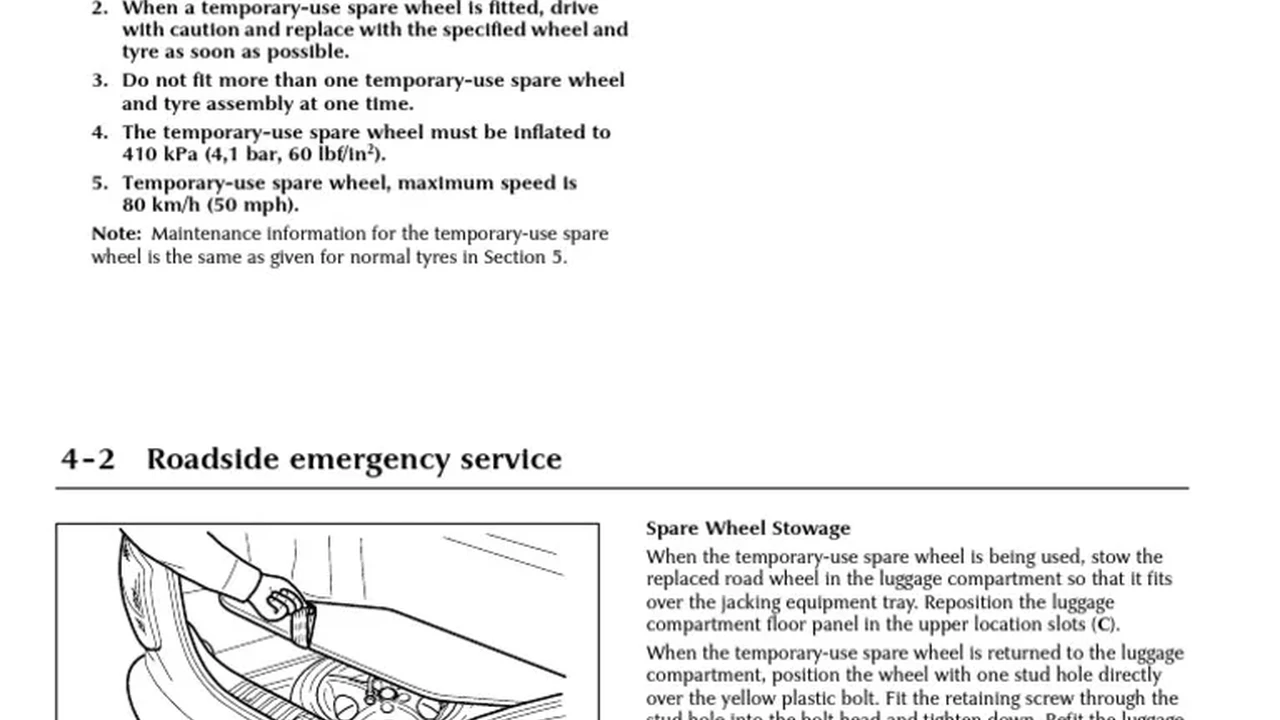
- Flat Tire: Learn how to change a flat tire. Your car should have a spare tire, a jack, and a lug wrench. Practice changing a tire in a safe location before you need to do it on the side of the road. Consider purchasing a tire repair kit, like the Slime Tire Repair Kit, for around $20, for minor punctures.
- Check Engine Light: This light can indicate a variety of problems. You can have the code read at an auto parts store for free. Or, you can purchase an OBD-II scanner, like the BlueDriver Bluetooth Professional OBDII Scan Tool, for around $100, to read the codes yourself.
Product Recommendations for Basic Car Maintenance
Here are a few product recommendations to help you keep your car in top shape:
- Oil: Mobil 1 Synthetic Motor Oil (for general protection), Castrol Edge (for high-performance vehicles)
- Tire Pressure Gauge: Accutire MS-4021B Digital Tire Pressure Gauge
- Jumper Cables: Energizer Jumper Cables
- Portable Jump Starter: NOCO Boost Plus GB40
- OBD-II Scanner: BlueDriver Bluetooth Professional OBDII Scan Tool
Comparing Products and Scenarios
Let's compare a few products to help you make the best choice:
- Fram vs K&N Air Filters: Fram air filters are cheaper and offer adequate filtration for most drivers. K&N air filters are reusable and offer better airflow, which can improve engine performance, but they require more maintenance. If you're on a budget, Fram is a good choice. If you want the best performance and are willing to spend more time cleaning the filter, K&N is a better option.
- Jumper Cables vs Portable Jump Starter: Jumper cables are cheaper and require another car to work. A portable jump starter is more expensive but can be used anywhere, even if you're stranded alone. If you often drive in remote areas, a portable jump starter is a worthwhile investment. If you mostly drive in urban areas, jumper cables may be sufficient.
Where to Buy and Typical Pricing
You can find most of these products at auto parts stores like AutoZone, Advance Auto Parts, and O'Reilly Auto Parts. You can also find them online at Amazon and other retailers. Prices can vary, so it's always a good idea to compare prices before you buy. The prices mentioned earlier in this article are typical ranges, but they can fluctuate depending on the brand, the retailer, and any ongoing sales.
:max_bytes(150000):strip_icc()/277019-baked-pork-chops-with-cream-of-mushroom-soup-DDMFS-beauty-4x3-BG-7505-5762b731cf30447d9cbbbbbf387beafa.jpg)