How to Jump Start a Car: A Safe and Effective Method
Understanding the Basics of Jump Starting Your Car Battery Essential Car Maintenance Knowledge
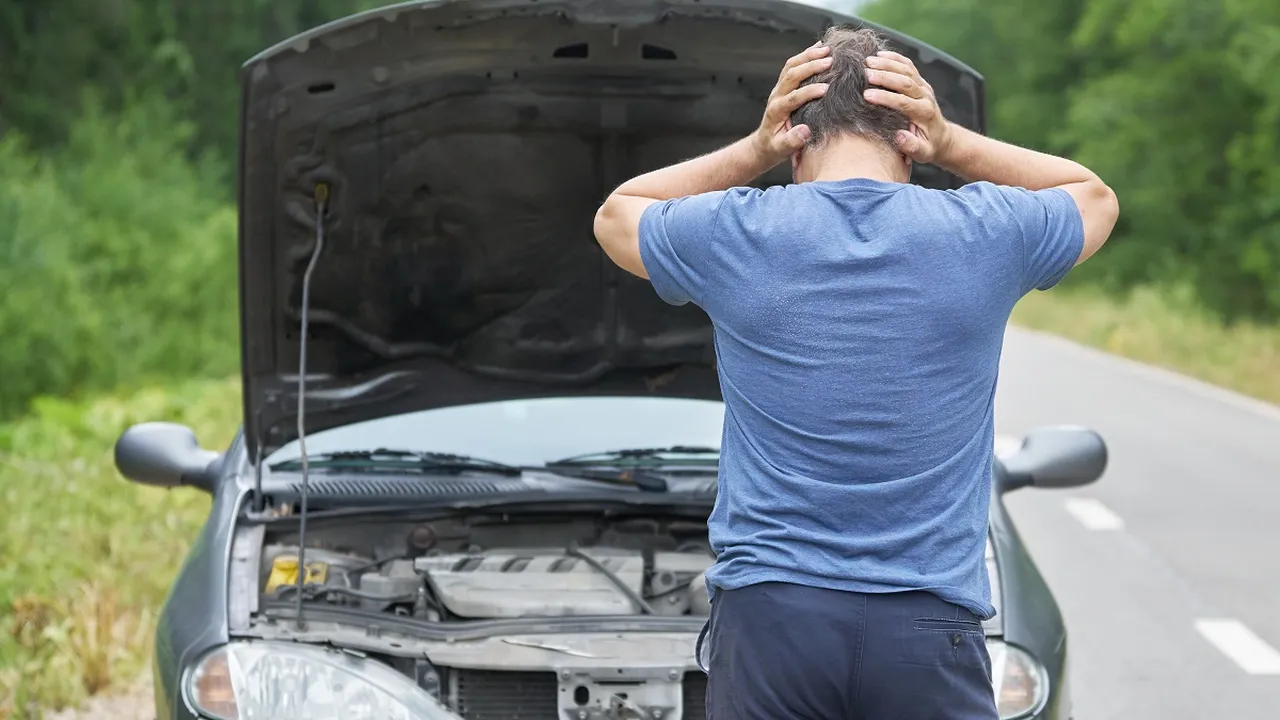
Alright, so you're stranded. Your car won't start. Click-click-click... nothing. Sound familiar? Most likely, your battery is dead. Don't panic! Jump starting a car is a pretty common problem, and with the right knowledge and a little caution, you can get back on the road in no time. This guide will walk you through the process, step-by-step, ensuring you do it safely and effectively. We'll also cover some common mistakes to avoid and even recommend some handy gadgets to keep in your trunk.
Gathering the Necessary Tools and Equipment for a Successful Jump Start Car Preparedness
Before you even pop the hood, you'll need a few things:
- Jumper Cables: This is the most obvious. Make sure they're in good condition (no frayed wires or cracked insulation) and long enough to reach between the batteries of the two cars. We'll talk about choosing the right cables later.
- A Working Car: You'll need another car with a healthy battery to provide the jump start. Ideally, it should be a similar voltage (usually 12V for most passenger cars).
- Safety Glasses: Protect your eyes! Battery acid is nasty stuff.
- Gloves (Optional but Recommended): Again, battery acid. Rubber or nitrile gloves are a good idea.
- Owner's Manuals: Both for your car and the car providing the jump. It's always a good idea to consult the manuals for specific instructions or warnings related to your vehicles. Battery location can vary!
Step-by-Step Guide How to Safely Jump Start a Car A Detailed Process
Okay, let's get down to business. Follow these steps carefully:
- Position the Cars: Park the working car close to your car, facing each other. Make sure the cars are not touching. Engage the parking brakes on both vehicles and turn off the ignition.
- Open the Hoods: Locate the batteries in both cars. Consult the owner's manuals if you're unsure where they are.
- Attach the Positive (+) Cable: Identify the positive (+) terminals on both batteries. They're usually marked with a "+" sign or a red cover.
- First: Connect one end of the red (positive) jumper cable to the positive (+) terminal of the dead battery.
- Second: Connect the other end of the red (positive) jumper cable to the positive (+) terminal of the working battery.
- Attach the Negative (-) Cable: Now for the negative (-) terminals. These are usually marked with a "-" sign or a black cover.
- First: Connect one end of the black (negative) jumper cable to the negative (-) terminal of the working battery.
- Second: Connect the other end of the black (negative) jumper cable to a clean, unpainted metal surface on your car's engine block or chassis, away from the battery. Do not connect it directly to the negative (-) terminal of the dead battery! This can create sparks near the battery, which could ignite hydrogen gas and cause an explosion.
- Start the Working Car: Start the engine of the working car and let it run for a few minutes. This will help charge the dead battery. Rev the engine slightly (around 1500-2000 RPM) to provide a stronger charge.
- Attempt to Start Your Car: After a few minutes, try starting your car. If it starts, let it run for at least 20 minutes to allow the alternator to recharge the battery fully. If it doesn't start, wait a few more minutes and try again. If it still doesn't start after several attempts, there may be a more serious problem, and you'll need to call a tow truck or mechanic.
- Disconnect the Cables: Once your car is running, disconnect the jumper cables in the reverse order that you connected them:
- First: Remove the black (negative) cable from the metal surface on your car.
- Second: Remove the black (negative) cable from the negative (-) terminal of the working battery.
- Third: Remove the red (positive) cable from the positive (+) terminal of the working battery.
- Fourth: Remove the red (positive) cable from the positive (+) terminal of your dead battery.
Common Mistakes to Avoid When Jump Starting a Car Safe Jump Starting Practices
Jump starting a car seems straightforward, but there are several common mistakes people make that can be dangerous or damage their vehicles:
- Connecting the Negative Cable to the Dead Battery's Negative Terminal: As mentioned earlier, this can create sparks and potentially cause an explosion. Always connect the negative cable to a grounded metal surface away from the battery.
- Using the Wrong Jumper Cables: Thin, cheap jumper cables may not be able to carry enough current to jump start a car, especially a larger vehicle. Invest in a good quality set of cables.
- Connecting the Cables in the Wrong Order: Following the correct sequence is crucial to avoid short circuits and potential damage.
- Not Waiting Long Enough: Give the working car enough time to charge the dead battery before attempting to start your car.
- Ignoring Warning Signs: If you smell burning plastic or see sparks, stop immediately and disconnect the cables.
- Trying to Jump Start a Frozen Battery: A frozen battery can explode. If you suspect your battery is frozen, do not attempt to jump start it.
Choosing the Right Jumper Cables A Guide to Buying Quality Jumper Cables
Not all jumper cables are created equal. Here's what to look for when choosing a set:
- Gauge: The lower the gauge number, the thicker the cable and the more current it can carry. For most passenger cars, a 4-gauge or 6-gauge cable is sufficient. For larger vehicles like trucks and SUVs, you may want to consider 2-gauge or even 1-gauge cables.
- Length: Choose a length that will allow you to easily reach between the batteries of two cars parked facing each other. 16-20 feet is a good range.
- Clamps: Look for clamps that are made of copper or copper-clad aluminum. These materials provide better conductivity. Also, make sure the clamps have strong springs and a good grip on the battery terminals.
- Insulation: The cables should be well-insulated with a thick, durable material that is resistant to cracking and abrasion.
Recommended Jumper Cables Products and Pricing
Here are a few recommended jumper cable sets with varying price points:
- BEST for Most Cars: NOCO GB40 1000 Amp 12-Volt UltraSafe Lithium Jump Starter Box
Description: This is a portable jump starter, not cables. It's incredibly convenient and eliminates the need for another car. It's powerful enough for most gasoline engines and some diesel engines. It also functions as a power bank for charging USB devices.
Pros: Portable, easy to use, no need for another car, built-in flashlight, power bank function.
Cons: More expensive than jumper cables, requires charging.
Use Case: Ideal for everyday drivers who want a reliable and convenient jump starting solution.
Price: Around $100.
- BEST for Budget: Cartman 20Ft 4 Gauge Heavy Duty Booster Cables
Description: A solid and reliable set of traditional jumper cables, offering good performance at an affordable price.
Pros: Affordable, heavy-duty construction, long length.
Cons: Requires another car, can be bulky to store.
Use Case: A good option for those who prefer traditional jumper cables and want a reliable set without breaking the bank.
Price: Around $30.
- BEST Heavy-Duty Option: Energizer Jumper Cables 1 Gauge 25 Ft
Description: These are heavy-duty cables designed for larger vehicles like trucks and SUVs. They provide excellent conductivity and are built to last.
Pros: Very powerful, long length, durable construction.
Cons: More expensive, can be very bulky and heavy.
Use Case: Ideal for owners of large vehicles or those who live in cold climates where batteries are more likely to die.
Price: Around $60.
Portable Jump Starters A Convenient Alternative to Jumper Cables Car Battery Solutions
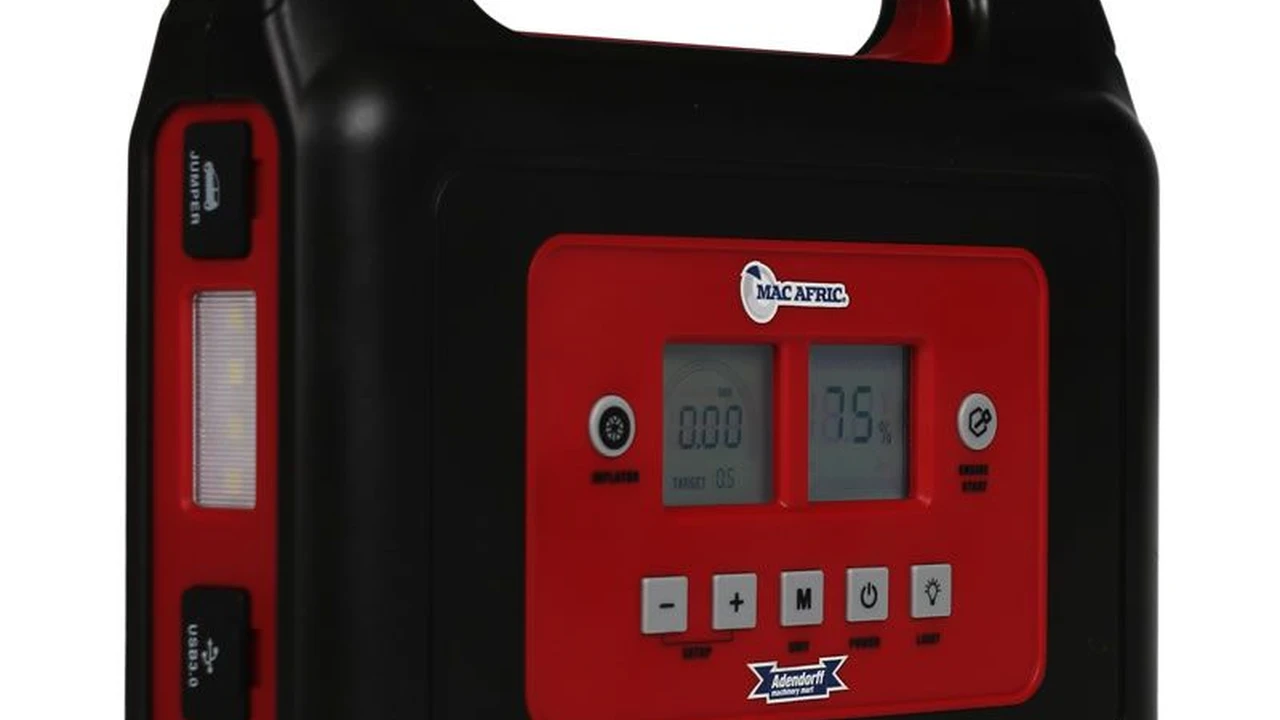
A portable jump starter is a self-contained unit that can jump start your car without the need for another vehicle. These devices are becoming increasingly popular due to their convenience and ease of use.
How They Work: Portable jump starters contain a powerful lithium-ion battery that can deliver a surge of current to jump start your car. Simply connect the clamps to your battery terminals and turn on the device.
Benefits:
- Convenience: No need to rely on another car.
- Portability: Small and lightweight, easy to store in your trunk.
- Safety: Built-in safety features to prevent sparks and reverse polarity.
- Multi-Functionality: Many models include a flashlight, USB charging ports, and other useful features.
Drawbacks:
- Cost: More expensive than jumper cables.
- Charging: Requires periodic charging to maintain its power.
- Limited Lifespan: Lithium-ion batteries have a limited lifespan and will eventually need to be replaced.
Maintaining Your Car Battery Preventing Future Jump Starts Car Battery Care Tips
The best way to avoid needing a jump start is to properly maintain your car battery:
- Regularly Check the Battery Terminals: Clean any corrosion with a wire brush and baking soda solution.
- Turn Off Lights and Accessories: Make sure you turn off your headlights, interior lights, and accessories when you park your car.
- Avoid Short Trips: Short trips don't give the alternator enough time to fully recharge the battery.
- Get Your Battery Tested: Have your battery tested regularly, especially if it's more than three years old. Most auto parts stores offer free battery testing.
- Consider a Battery Tender: If you don't drive your car frequently, use a battery tender to keep the battery charged.
- Cold Weather Considerations: Cold weather can significantly reduce battery performance. Consider using a battery blanket or parking your car in a garage during extremely cold temperatures.
Troubleshooting Jump Starting Problems When the Jump Start Fails Car Battery Diagnostics
Sometimes, even with the correct procedure, a jump start might not work. Here are some common reasons and how to troubleshoot them:
- Poor Connection: Ensure the jumper cable clamps have a solid connection to the battery terminals or the grounding point. Wiggle them to ensure a good contact.
- Weak Working Battery: The working car's battery might not be strong enough to jump start your car, especially if it's also old or weak. Try revving the working car's engine for a longer period.
- Faulty Starter: If the engine cranks but doesn't start, the problem might be with the starter motor or another part of the ignition system.
- Dead Battery Cells: If the battery is completely dead (0 volts), it might have a dead cell and won't be able to hold a charge, even with a jump start.
- Blown Fuse: Check your car's fuses, especially the main fuse or the starter fuse. A blown fuse can prevent the car from starting.
Jump Starting Hybrid and Electric Vehicles Special Considerations for EVs and Hybrids
Jump starting a hybrid or electric vehicle (EV) is different from jump starting a traditional gasoline car. Consult your owner's manual for specific instructions. Many hybrids have a 12V auxiliary battery that can be jump started using the same procedure as a gasoline car. However, the location of this battery may be different, and the jump starting terminals may be located under the hood or in the trunk. EVs typically do not have a traditional 12V battery for starting, and jump starting procedures may involve connecting to specific terminals designed for this purpose. Always consult your owner's manual before attempting to jump start a hybrid or electric vehicle.
When to Call for Help Knowing Your Limits and When to Seek Professional Assistance
Sometimes, a jump start just won't cut it. Here are some situations where you should call for help:
- You've tried jump starting the car several times and it still won't start.
- You see sparks or smell burning plastic.
- The battery is leaking acid or is visibly damaged.
- You're not comfortable performing the jump start procedure yourself.
- You suspect a more serious problem with your car.
Calling a tow truck or a roadside assistance service is always the safest option if you're unsure about anything. They have the expertise and equipment to diagnose and repair your car safely.
:max_bytes(150000):strip_icc()/277019-baked-pork-chops-with-cream-of-mushroom-soup-DDMFS-beauty-4x3-BG-7505-5762b731cf30447d9cbbbbbf387beafa.jpg)