Understanding Move Over Laws: Protecting Emergency Responders
Introduction to Move Over Laws and Roadside Safety Awareness
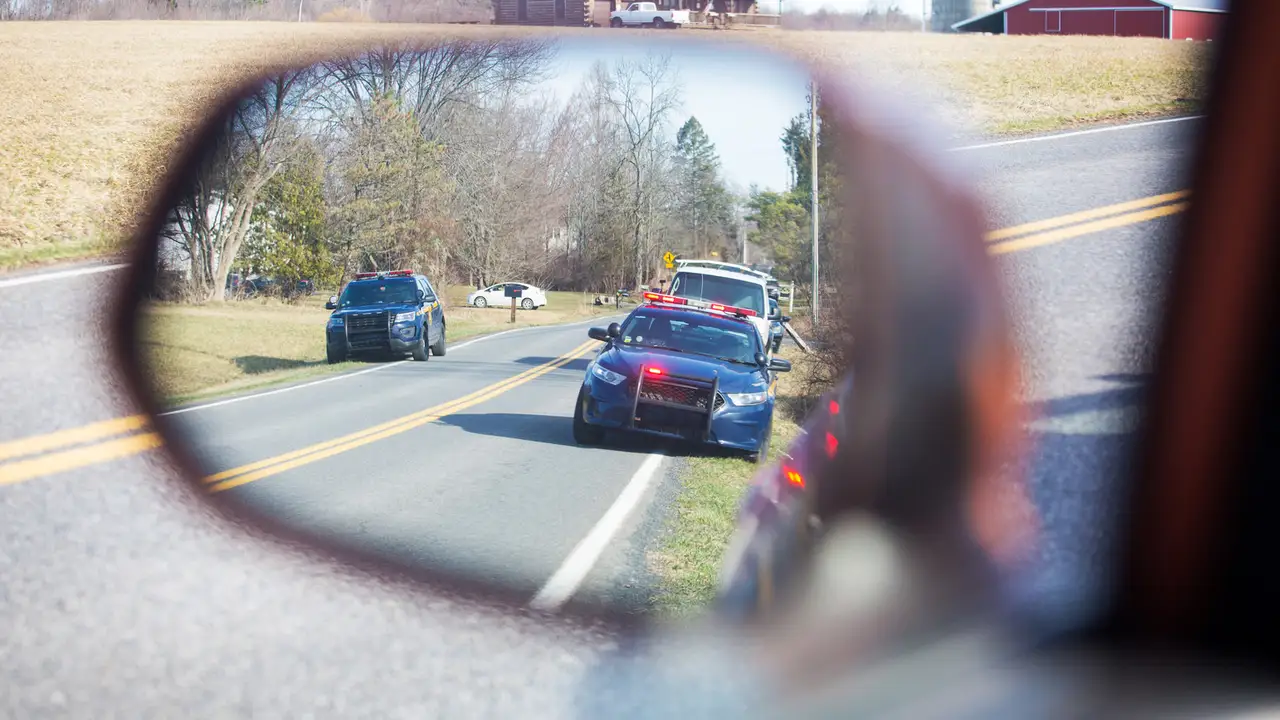
Hey there, fellow drivers! Ever see those flashing lights on the side of the road – police cars, ambulances, tow trucks – and feel a slight pang of anxiety? Well, that feeling is a good thing! It means you're aware of the dangers present on the roadside. And that awareness is exactly what "Move Over" laws are designed to cultivate. These laws, enacted across many states and countries, are all about protecting the brave men and women who put their lives on the line to help others on the road. Think about it: they're out there in often dangerous conditions, dealing with accidents, breakdowns, and all sorts of roadside emergencies. The least we can do is give them some space and make their job a little safer.
The Importance of Move Over Laws for Emergency Responder Safety
Seriously, these laws aren't just suggestions – they're vital. Emergency responders face a significantly higher risk of being struck by passing vehicles while working on the roadside. Studies have shown that a surprising number of responders are injured or even killed each year in these types of incidents. Move Over laws are designed to create a "buffer zone" around emergency vehicles, giving responders a safer space to work. This can significantly reduce the risk of accidents and save lives. It’s not just about protecting them; it's about protecting everyone on the road. A distracted or careless driver can easily cause a secondary accident, making the situation even worse. So, by following Move Over laws, you're contributing to a safer environment for everyone.
Understanding the Specifics of Move Over Laws in Your Area
Okay, so you're on board with the idea, but what exactly are Move Over laws? Well, the specifics can vary depending on where you live. Generally, they require drivers to either move over one lane (if possible) or slow down significantly when approaching an emergency vehicle with flashing lights. Some states also include tow trucks, construction vehicles, and even disabled vehicles in their Move Over laws. It's crucial to know the specific laws in your area. A quick search online for "[Your State/Country] Move Over Law" will usually give you the information you need. Pay attention to the details, such as the required speed reduction and the distance you need to move over. Ignorance of the law is no excuse, and violating Move Over laws can result in hefty fines and even points on your license. Don't be that person! Be informed and be responsible.
Practical Tips for Complying with Move Over Laws On the Road
Knowing the law is one thing, but putting it into practice is another. Here are some practical tips to help you comply with Move Over laws and keep our emergency responders safe:
- Stay Alert and Scan the Road Ahead: Pay attention to your surroundings and be on the lookout for emergency vehicles with flashing lights.
- Move Over Safely: If possible, move over one lane to create a buffer zone. Use your turn signal to indicate your intention to move. Check your mirrors and blind spots before changing lanes.
- Slow Down if Moving Over is Not Possible: If you can't safely move over, slow down to a speed that is significantly below the posted speed limit. Be prepared to stop if necessary.
- Give Responders Plenty of Space: Avoid tailgating or driving too close to emergency vehicles. Give them plenty of room to work safely.
- Be Patient: Emergency situations can be stressful, and responders are often working under pressure. Be patient and avoid honking or making unnecessary noise.
- Educate Others: Spread the word about Move Over laws and encourage others to drive safely around emergency vehicles.
Recommended Roadside Safety Products: Enhancing Visibility and Safety on the Road
Beyond following Move Over laws, there are several products that can significantly enhance your roadside safety and the safety of others. Let's take a look at some essential items:
High-Visibility Safety Vests for Increased Visibility
Product: Neiko 53925A High Visibility Safety Vest
Use Case: Changing a tire on the side of the road, inspecting your vehicle after an accident, or assisting other motorists.
Comparison: There are many different safety vests available, ranging in price and features. The Neiko vest is a popular choice because it is affordable, lightweight, and meets ANSI/ISEA 107-2015 Class 2 standards for high visibility. Other options include vests with pockets, adjustable straps, and different color options. Consider the specific needs of your situation when choosing a vest.
Price: ~$10 - $20
Emergency Roadside Flares and Reflectors for Hazard Marking
Product: Orion Safety Products Emergency Roadside Flare Kit
Use Case: Marking the scene of an accident, alerting other drivers to a disabled vehicle, or providing a visual warning in low-light conditions.
Comparison: Flares are a traditional option for roadside safety, but they can be dangerous if not handled properly. LED flares are a safer alternative, as they don't produce flames or smoke. Reflectors are also a good option, as they are reusable and don't require batteries. Consider the ease of use and safety features when choosing flares or reflectors.
Price: ~$15 - $30
Portable Jump Starters for Battery Emergencies
Product: NOCO Boost Plus GB40 1000 Amp 12-Volt UltraSafe Lithium Jump Starter
Use Case: Jump-starting a dead battery without needing another vehicle. This is especially useful in remote areas or when you can't find someone to give you a jump.
Comparison: Jump starters vary in amperage, which determines the size of the engine they can start. The NOCO Boost Plus GB40 is a good choice for most passenger vehicles. Other options include jump starters with built-in air compressors and USB ports for charging electronic devices. Consider the size and power of your vehicle when choosing a jump starter.
Price: ~$80 - $120
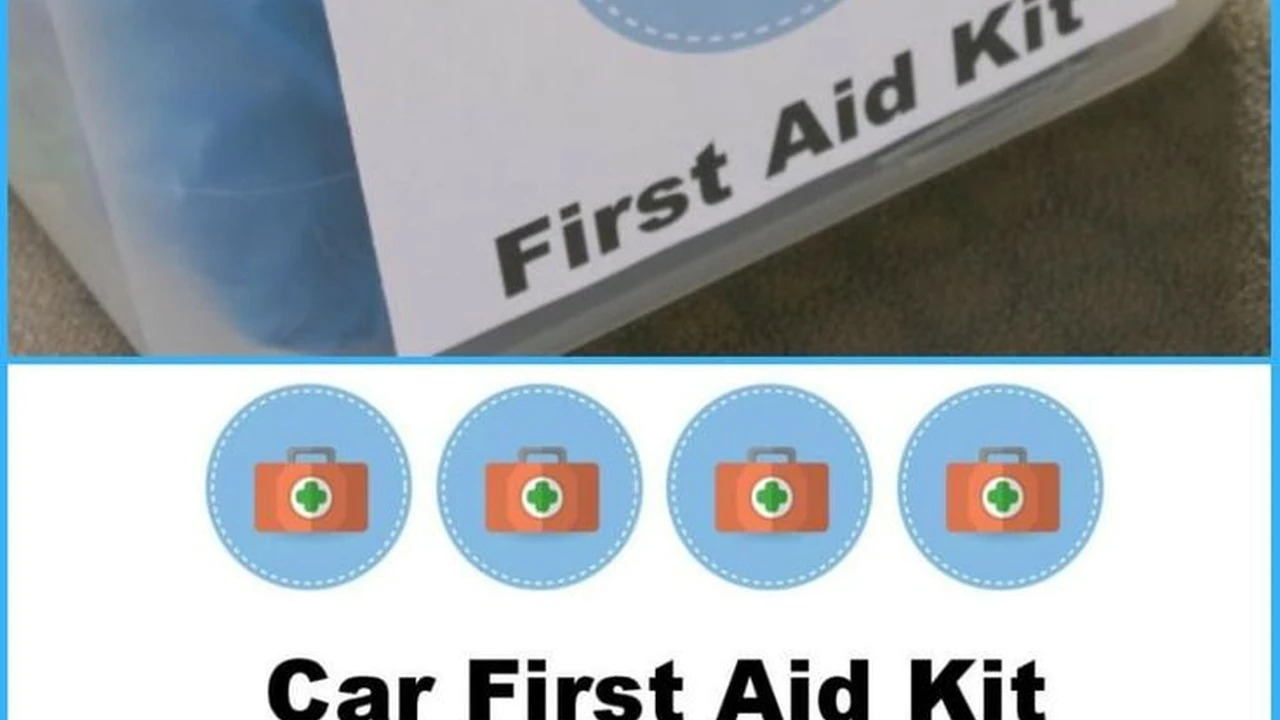
First Aid Kits for Minor Injuries
Product: First Aid Only 299 Piece All-Purpose First Aid Kit
Use Case: Treating minor cuts, scrapes, burns, and other injuries that may occur on the roadside.
Comparison: First aid kits come in various sizes and contain different supplies. Choose a kit that meets your specific needs and includes essential items such as bandages, antiseptic wipes, pain relievers, and gauze pads. Make sure to check the expiration dates of the supplies regularly.
Price: ~$20 - $40
Tire Repair Kits for Punctures
Product: Slime 2040-A Tire Repair Kit
Use Case: Temporarily repairing a puncture in your tire so you can drive to a repair shop.
Comparison: Tire repair kits typically include plugs, a reamer, and an insertion tool. Some kits also include a small air compressor. Be sure to follow the instructions carefully when using a tire repair kit. This is a temporary fix, and you should have the tire professionally repaired or replaced as soon as possible.
Price: ~$15 - $30
Conclusion: Prioritizing Roadside Safety for Everyone
Staying safe on the roadside is a shared responsibility. By understanding and complying with Move Over laws, investing in essential safety products, and practicing safe driving habits, we can all contribute to a safer environment for emergency responders and everyone else on the road. Drive safe out there!
:max_bytes(150000):strip_icc()/277019-baked-pork-chops-with-cream-of-mushroom-soup-DDMFS-beauty-4x3-BG-7505-5762b731cf30447d9cbbbbbf387beafa.jpg)