The Ultimate Guide to First Aid Kits for Car Emergencies
Why Every Car Needs a First Aid Kit Car Emergency Preparedness
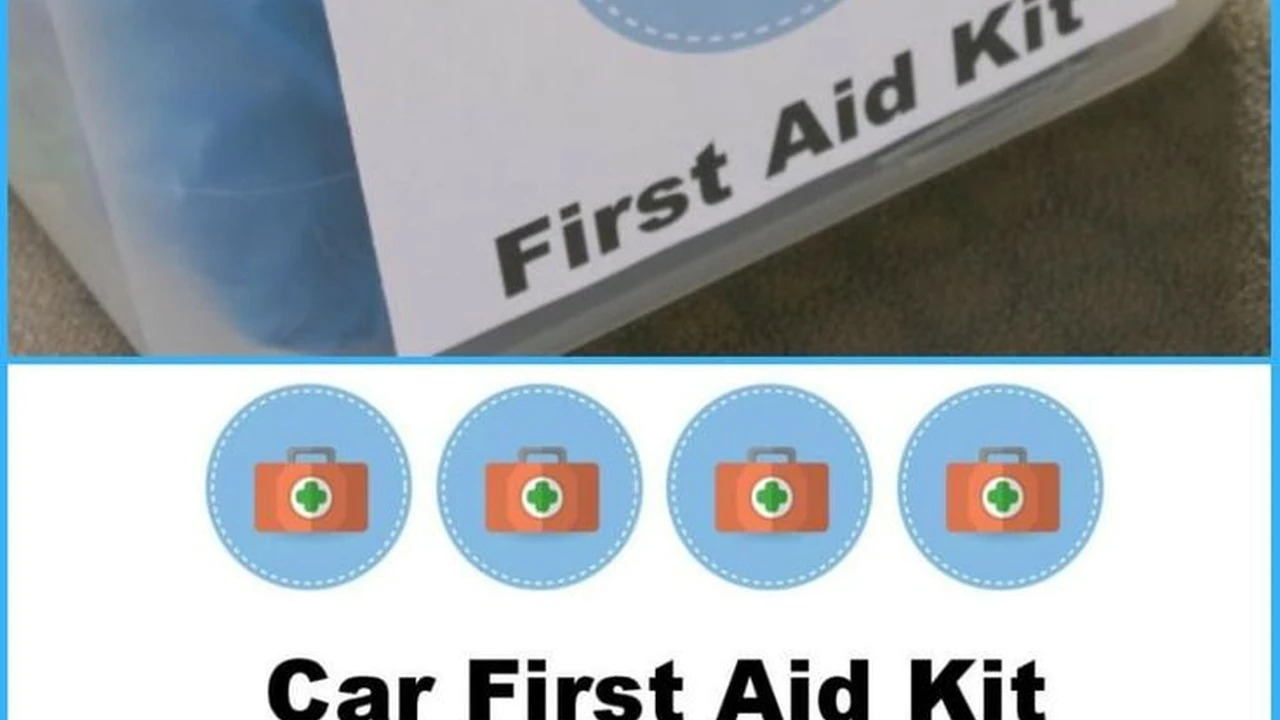
Okay, let's talk about something super important: car first aid kits. You might think, "Eh, I'm a good driver, I don't need one." But listen, you never know what's going to happen out there. A fender bender, a minor injury, even just a random scrape – a well-stocked first aid kit can be a lifesaver (literally!). We're going to dive deep into why these kits are essential, what they should include, and how to choose the right one for you.
Essential Items for Your Car First Aid Kit What to Include
So, what should be in this magical kit? Here's a breakdown of the must-haves:
- Band-Aids: All shapes and sizes. Seriously, you'll be surprised how often you need these.
- Gauze Pads: For cleaning and covering wounds. Get different sizes.
- Medical Tape: To secure gauze pads and bandages.
- Antiseptic Wipes: For cleaning wounds before bandaging. Alcohol-free options are gentler.
- Pain Relievers: Ibuprofen or acetaminophen for headaches or minor pain. Keep them in their original packaging.
- Antihistamines: For allergic reactions. Diphenhydramine (Benadryl) is a good choice, but be aware of drowsiness.
- Tweezers: For removing splinters or debris.
- Scissors: To cut tape, gauze, or clothing.
- CPR Mask: In case you need to administer CPR. Knowing how to use it is crucial!
- Emergency Blanket: To keep someone warm in case of shock or exposure to the elements. Those foil blankets are surprisingly effective.
- Gloves: Non-latex gloves to protect yourself from bodily fluids.
- First Aid Manual: A basic guide to handling common injuries.
- Triangular Bandage: Can be used as a sling or to immobilize a limb.
- Burn Cream: For minor burns.
- Instant Cold Pack: For sprains or swelling.
Choosing the Right Car First Aid Kit Types and Considerations
Okay, you're convinced you need a kit. Great! Now, how do you choose one? You have a few options:
- Pre-Made Kits: These are convenient and readily available at most pharmacies and online retailers. They range in price and content, so do your research.
- DIY Kit: You can assemble your own kit, which allows you to customize it to your specific needs. This can be more cost-effective, but it requires more effort.
When choosing, consider:
- Size: How much space do you have in your car? You don't want a kit that's too bulky.
- Contents: Does it include everything on the essential items list?
- Quality: Are the items high-quality and durable? Cheap bandages aren't going to do you much good.
- Price: How much are you willing to spend? You don't need to break the bank, but don't skimp on quality.
- Expiration Dates: Check the expiration dates of all medications and supplies. Replace expired items regularly.
Product Recommendations and Comparisons Car First Aid Kit Reviews
Alright, let's get down to brass tacks. Here are a few specific first aid kits I recommend, along with their pros, cons, and approximate prices:
1. Surviveware Small First Aid Kit Compact and Comprehensive
Description: This kit is super popular for a reason. It's well-organized, durable, and packed with a ton of useful stuff. It includes a CPR mask, a survival tool, and even a mini first aid guide.
Pros: Comprehensive, well-organized, durable, includes extras like a survival tool.
Cons: Can be a bit pricey compared to other kits, might be too large for very small cars.
Price: Around $40 - $50
Use Cases: Great for everyday car emergencies, road trips, and outdoor adventures.
2. First Aid Only All-Purpose First Aid Kit Affordable and Basic
Description: A budget-friendly option that covers the basics. It's not as comprehensive as the Surviveware kit, but it's a good starting point.
Pros: Affordable, compact, covers the essential items.
Cons: Not as durable, fewer extras, may need to supplement with additional items.
Price: Around $15 - $25
Use Cases: Good for basic car emergencies, families on a budget.
3. Johnson & Johnson All-Purpose Portable Compact First Aid Kit Trusted Brand
Description: A well-known brand offering a reliable and portable kit. Focuses on wound care with a good assortment of bandages and antiseptic wipes.
Pros: Trusted brand, good for wound care, compact and portable.
Cons: Lacks some of the more advanced items like a CPR mask or emergency blanket.
Price: Around $20 - $30
Use Cases: Ideal for minor cuts, scrapes, and burns; good for families with young children.
Comparison Table:
| Kit Name | Price | Pros | Cons |
|---|---|---|---|
| Surviveware Small First Aid Kit | $40 - $50 | Comprehensive, well-organized, durable | Pricy, potentially too large |
| First Aid Only All-Purpose Kit | $15 - $25 | Affordable, compact, basic essentials | Less durable, fewer extras |
| Johnson & Johnson All-Purpose Kit | $20 - $30 | Trusted brand, good wound care, portable | Lacks advanced items |
Different Scenarios and First Aid Kit Applications Car Accident First Aid
Let's imagine a few scenarios where your first aid kit could come in handy:
- Minor Car Accident: Someone gets a scrape or bruise. Clean the wound with antiseptic wipes, apply a bandage, and administer pain relievers if needed.
- Road Trip Injury: You're hiking and someone twists their ankle. Apply a cold pack, immobilize the ankle with a triangular bandage, and seek medical attention if necessary.
- Allergic Reaction: Someone gets stung by a bee and has a mild allergic reaction. Administer antihistamines and monitor for more severe symptoms.
- Sudden Illness: Someone develops a headache or feels nauseous. Provide pain relievers or anti-nausea medication.
Remember, your first aid kit is not a substitute for professional medical care. If someone is seriously injured, call 911 immediately.
Maintaining Your Car First Aid Kit Storage and Replacements
Okay, you've got your kit, now what? Here's how to keep it in tip-top shape:
- Storage: Store your kit in a cool, dry place that's easily accessible. The glove compartment or trunk are good options. Avoid storing it in direct sunlight, as this can damage the contents.
- Regular Inspections: Check your kit every few months to ensure that all items are present and unexpired.
- Replacements: Replace any used or expired items immediately. Set a reminder in your phone or calendar to check your kit regularly.
- Customization: Adjust your kit to your specific needs. If you have allergies, add extra antihistamines. If you have young children, add children's medications.
Knowing Basic First Aid Skills CPR and More
Having a first aid kit is great, but knowing how to use it is even better! Consider taking a basic first aid and CPR course. These courses will teach you how to handle common injuries and illnesses, and how to administer CPR in an emergency. The Red Cross and other organizations offer these courses regularly.
Peace of Mind on the Road Car Safety
Ultimately, a car first aid kit is about peace of mind. Knowing that you're prepared for minor emergencies can make you a more confident and safer driver. It's a small investment that can make a big difference in an emergency situation. So, get yourself a kit, learn how to use it, and hit the road with confidence!
:max_bytes(150000):strip_icc()/277019-baked-pork-chops-with-cream-of-mushroom-soup-DDMFS-beauty-4x3-BG-7505-5762b731cf30447d9cbbbbbf387beafa.jpg)