Understanding Your Car's Warranty: What's Covered?

Introduction to Car Warranties and Coverage Details
So, you just bought a new car, congrats! Or maybe you’re driving a slightly used one that still boasts a warranty. Either way, understanding your car's warranty is crucial. Think of it as a safety net for unexpected repairs. But what exactly *is* covered? And how can you make the most of it? Let's dive in, no jargon, just plain talk.
Types of Car Warranties Explained: New Car, Used Car, and Extended Warranties
There are generally three main types of car warranties:
- New Car Warranty: This is the standard warranty offered by the manufacturer when you buy a brand-new vehicle. It usually covers defects in materials and workmanship for a specific period (e.g., 3 years/36,000 miles) or mileage (e.g., 5 years/60,000 miles).
- Used Car Warranty: Used car warranties are a bit more varied. They might be a remaining portion of the original new car warranty or a separate warranty offered by the dealership. The coverage can be limited, so read the fine print carefully.
- Extended Warranty (Vehicle Service Contract): This is an optional warranty you can purchase to extend coverage beyond the original manufacturer's warranty. It's essentially an insurance policy for your car, covering specific repairs after the factory warranty expires. Whether it's worth it depends on your car, driving habits, and risk tolerance.
What is Typically Covered Under a Car Warranty: Engine, Transmission, and More
Generally, a car warranty covers major components and systems, including:
- Engine: Internal lubricated parts, cylinder block, cylinder heads, manifolds, timing gears, water pump, fuel pump, and engine mounts.
- Transmission: Internal parts, case, torque converter, and transmission mounts.
- Drivetrain: Axles, drive shafts, differentials, and transfer case.
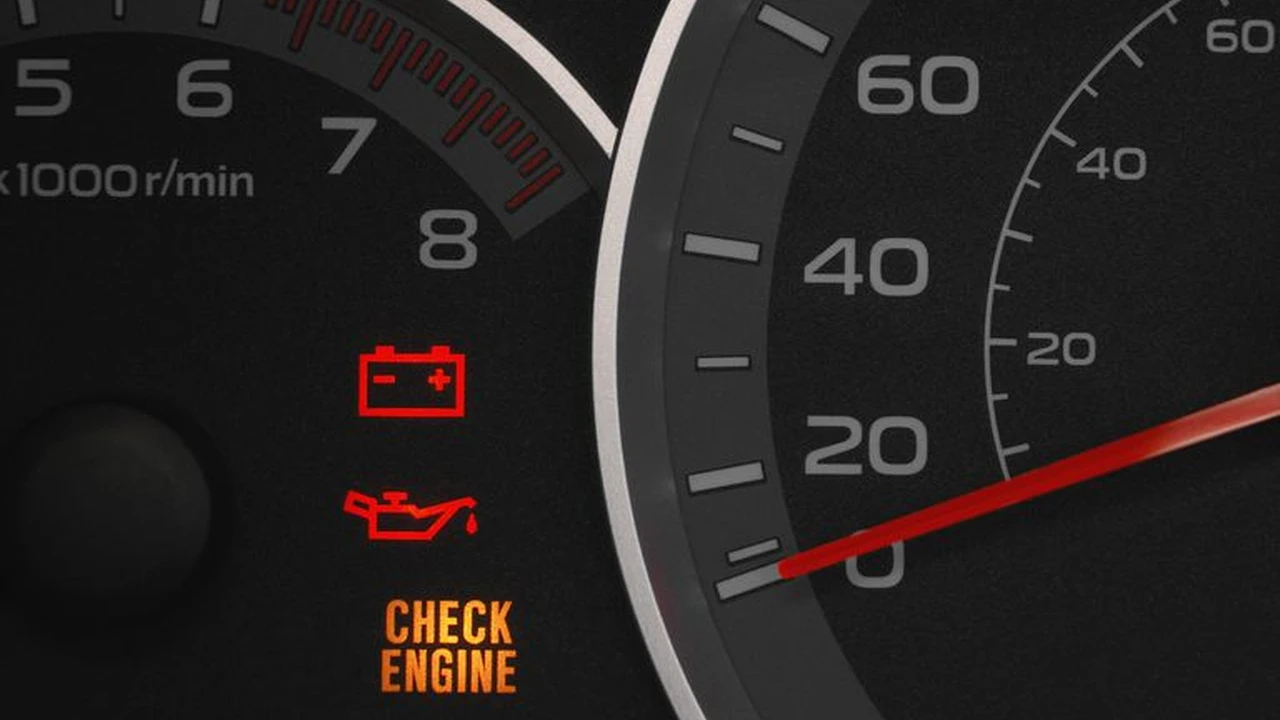
- Electrical System: Starter, alternator, voltage regulator, and wiring harness.
- Air Conditioning: Compressor, condenser, evaporator, and refrigerant lines.
- Safety Systems: Airbags, seatbelts, and anti-lock braking system (ABS).
However, wear-and-tear items like brake pads, tires, and wiper blades are usually *not* covered. Also, damage caused by accidents, misuse, or neglect is typically excluded.
What is NOT Covered by Car Warranties: Wear and Tear, Accidents, and Neglect
As mentioned, warranties generally don't cover:
- Wear and Tear: Brake pads, tires, filters, fluids, light bulbs, and other consumables that wear out over time.
- Accidents: Damage caused by collisions, vandalism, or natural disasters.
- Neglect: Damage caused by improper maintenance, abuse, or failing to address known issues.
- Aftermarket Modifications: Installing non-OEM parts or modifying the vehicle in a way that voids the warranty.
Understanding Warranty Terms and Conditions: Deductibles, Transferability, and Exclusions
Before you need to use your warranty, understand the terms and conditions:
- Deductible: The amount you pay out-of-pocket before the warranty covers the remaining cost of the repair.
- Transferability: Whether the warranty can be transferred to a new owner if you sell the car. Some warranties are transferable, while others are not.
- Exclusions: Specific components or conditions that are not covered by the warranty. Read the fine print carefully to understand what's excluded.
How to Maintain Your Car Warranty: Following Maintenance Schedules and Keeping Records
To keep your warranty valid, follow the manufacturer's recommended maintenance schedule. This includes regular oil changes, filter replacements, and other services. Keep detailed records of all maintenance performed, including dates, mileage, and services performed. This documentation will be crucial if you ever need to file a warranty claim.
Filing a Car Warranty Claim: Steps to Take and Documentation Needed
If you experience a covered issue, follow these steps to file a warranty claim:
- Contact the Dealership or Warranty Provider: Notify them of the issue and schedule an appointment for diagnosis and repair.
- Provide Documentation: Bring your warranty paperwork, maintenance records, and any other relevant documentation.
- Authorize Repairs: Once the issue is diagnosed, authorize the repairs and agree to pay any applicable deductible.
- Review the Invoice: Before paying the invoice, review it carefully to ensure that all covered repairs are included and that the deductible is correct.
Recommended Products to Help Maintain Your Car and Protect Your Warranty
Here are some products that can help you maintain your car and protect your warranty:
- Full Synthetic Motor Oil (Mobil 1):
Description: Mobil 1 is a high-quality synthetic motor oil that provides excellent engine protection and performance. Its advanced formula helps to reduce wear and tear, improve fuel economy, and extend engine life.
Usage Scenario: Ideal for all types of vehicles, especially those that require synthetic oil or are driven in demanding conditions (e.g., extreme temperatures, towing, or frequent stop-and-go driving).
Comparison: Compared to conventional motor oil, Mobil 1 offers superior protection against wear and tear, better cold-weather performance, and longer oil change intervals. Compared to other synthetic oils, Mobil 1 is known for its consistent quality and performance.
Price: Approximately $30-$40 per 5-quart jug.
- Oil Filter (Bosch Premium Oil Filter):
Description: Bosch Premium Oil Filters are designed to provide superior filtration and protect your engine from harmful contaminants. They feature a high-quality filter media and a durable construction.
Usage Scenario: Use during oil changes to ensure that your engine is protected from dirt, debris, and other contaminants.
Comparison: Compared to standard oil filters, Bosch Premium Oil Filters offer better filtration efficiency and longer service life. Compared to other premium oil filters, Bosch is known for its reliability and performance.
Price: Approximately $10-$15 per filter.
- Car Battery Charger/Maintainer (NOCO Genius1):
Description: The NOCO Genius1 is a smart battery charger and maintainer that can automatically detect and charge various types of batteries, including lead-acid, AGM, and lithium-ion batteries. It also features a maintenance mode that keeps your battery fully charged during periods of inactivity.
Usage Scenario: Use to charge and maintain your car battery, especially during periods of inactivity or in cold weather.
Comparison: Compared to traditional battery chargers, the NOCO Genius1 is more versatile, safer, and easier to use. It also features advanced charging algorithms that optimize battery performance and extend battery life. Compared to other smart battery chargers, the NOCO Genius1 is known for its compact size and user-friendly interface.
Price: Approximately $30-$40.
- Tire Pressure Gauge (Accutire MS-4021B):
Description: The Accutire MS-4021B is a digital tire pressure gauge that provides accurate and reliable readings. Maintaining proper tire pressure is essential for safety, fuel economy, and tire life.
Usage Scenario: Use to check and adjust your tire pressure regularly, especially before long trips or when the weather changes.
Comparison: Compared to analog tire pressure gauges, the Accutire MS-4021B is easier to read and more accurate. Compared to other digital tire pressure gauges, the Accutire MS-4021B is known for its durability and ease of use.
Price: Approximately $15-$20.
- OBD2 Scanner (BlueDriver Bluetooth Professional OBDII Scan Tool):
Description: The BlueDriver is a professional OBD2 scanner that connects to your smartphone or tablet via Bluetooth. It allows you to read and clear diagnostic trouble codes (DTCs), monitor real-time engine data, and perform other diagnostic functions.
Usage Scenario: Use to diagnose engine problems, check the status of your vehicle's emissions systems, and monitor real-time engine data.
Comparison: Compared to basic OBD2 scanners, the BlueDriver offers more advanced features and capabilities. It can also access manufacturer-specific diagnostic codes and perform advanced diagnostic tests. Compared to other professional OBD2 scanners, the BlueDriver is relatively affordable and easy to use.
Price: Approximately $120-$130.
Understanding Lemon Laws and Your Rights: What to Do if Your Car is a Lemon
If your car has repeated, unfixable issues covered by the warranty, it might be considered a "lemon" under state lemon laws. These laws vary by state, but they generally require the manufacturer to repair the vehicle or provide a refund or replacement if it cannot be fixed after a reasonable number of attempts. Research your state's lemon laws and consult with an attorney if you believe your car qualifies as a lemon.
Extended Car Warranty Considerations: Is it Worth the Investment?
Extended warranties (vehicle service contracts) can provide peace of mind, but they're not for everyone. Consider the following factors when deciding whether to purchase an extended warranty:
- Reliability of Your Car: If your car is known for its reliability, you might not need an extended warranty.
- Your Risk Tolerance: If you're risk-averse and want to avoid unexpected repair costs, an extended warranty might be a good option.
- Cost of the Warranty: Compare the cost of the warranty to the potential cost of repairs.
- Coverage and Exclusions: Understand what's covered and what's not covered by the warranty.
Tips for Negotiating Car Warranty Coverage and Price
Don't be afraid to negotiate the terms and price of a car warranty. Here are some tips:
- Shop Around: Get quotes from multiple dealerships and warranty providers.
- Negotiate the Price: Don't accept the first offer. Negotiate the price down, just like you would with the car itself.
- Review the Fine Print: Read the terms and conditions carefully before signing anything.
- Consider a Third-Party Warranty: Third-party warranty providers may offer better coverage and prices than dealerships.
Conclusion-Alternatives: Keeping Your Car Running Smoothly
Understanding your car's warranty is essential for protecting yourself from unexpected repair costs. By following the tips outlined in this article, you can make the most of your warranty and keep your car running smoothly for years to come. Regular maintenance, careful record-keeping, and a proactive approach to addressing issues will help you avoid costly repairs and keep your car in top condition.
:max_bytes(150000):strip_icc()/277019-baked-pork-chops-with-cream-of-mushroom-soup-DDMFS-beauty-4x3-BG-7505-5762b731cf30447d9cbbbbbf387beafa.jpg)