The Importance of Windshield Repair: Preventing Cracks from Spreading
Why Windshield Repair is Crucial for Vehicle Safety and Preventative Maintenance
Alright, let's talk windshields. You might think that tiny chip or crack is no big deal, right? Just a cosmetic issue? Wrong! That little imperfection can quickly turn into a major safety hazard and a costly repair down the road. We're diving deep into why windshield repair is so important, not just for your car's appearance, but for your safety and your wallet. Think of it as preventative maintenance for your visibility and overall vehicle integrity.
Understanding Windshield Damage Types Chips Cracks and Bullseyes
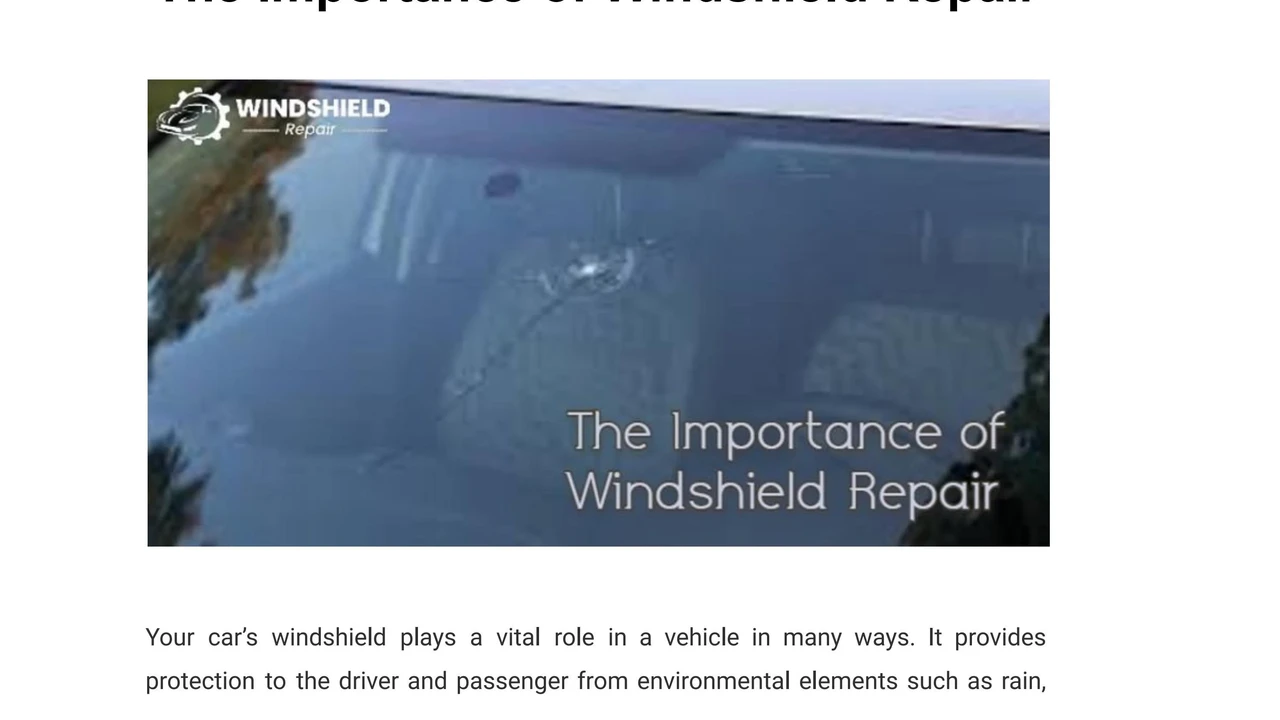
First, let's identify what we're dealing with. There are a few common types of windshield damage: chips, cracks, and bullseyes. A chip is a small piece of glass that's been removed, often caused by a rock or other debris. A crack is a line that extends from the point of impact. A bullseye looks like a circle with a point in the middle, again, usually caused by a small, high-speed impact. Recognizing the type of damage helps determine the best course of action. Small chips and bullseyes are usually easier and cheaper to repair than long, spreading cracks. Ignoring any of these can lead to bigger problems.
The Dangers of Ignoring Windshield Cracks and Chips Safety Concerns
So, what's the big deal if you ignore that little crack? Well, for starters, your windshield provides structural support to your vehicle's roof. In a rollover accident, a compromised windshield can significantly reduce the roof's ability to withstand impact, potentially leading to serious injuries. Furthermore, a cracked or chipped windshield can obstruct your vision, especially in bright sunlight or at night when headlights create glare. This reduces your reaction time and increases the risk of an accident. And, let's not forget the airbag. Your windshield provides crucial back support for the passenger airbag during deployment. If the windshield is weakened, the airbag might not deploy correctly, offering less protection.
The Repair Process How Windshield Repair Works and What to Expect
The windshield repair process is actually pretty straightforward. A technician will clean the damaged area and then inject a special resin into the chip or crack. This resin is designed to bond with the existing glass and fill the void, restoring the windshield's structural integrity and improving its clarity. Once the resin is injected, it's cured using ultraviolet (UV) light. This hardens the resin and creates a strong, durable bond. The entire process usually takes less than 30 minutes, and it's much cheaper than replacing the entire windshield.
Cost-Effective Windshield Repair Saving Money and Preventing Future Problems
Speaking of cost, windshield repair is significantly cheaper than replacement. A typical repair can cost anywhere from $50 to $150, while a full windshield replacement can easily set you back several hundred dollars, or even over a thousand for vehicles with advanced driver-assistance systems (ADAS) that require recalibration. Repairing a chip or crack early can prevent it from spreading, which would then necessitate a full replacement. Think of it as an investment in preventative maintenance that saves you money in the long run. Plus, many insurance companies will waive the deductible for windshield repairs, making it even more affordable.
DIY Windshield Repair Kits Are They Worth It and When to Avoid Them
You might be tempted to try a DIY windshield repair kit. While these kits can be effective for very small, simple chips, they're generally not recommended for larger or more complex damage. The resin used in DIY kits isn't always as high quality as what professional technicians use, and improper application can actually make the damage worse. If you're not comfortable working with chemicals and following instructions precisely, it's best to leave it to the professionals. Plus, a botched DIY repair might void your insurance coverage.
Choosing the Right Windshield Repair Service Factors to Consider
When choosing a windshield repair service, look for a reputable company with experienced technicians and a good track record. Check online reviews and ask for recommendations from friends or family. Make sure the company uses high-quality resin and offers a warranty on their work. Also, inquire about their experience with ADAS recalibration if your vehicle is equipped with these systems. A reputable service will be transparent about their process and pricing.
Maintaining Your Windshield Preventing Future Damage
Once your windshield is repaired, there are a few things you can do to help prevent future damage. Avoid following trucks too closely, as they can kick up rocks and debris. Park your car in a garage or under a carport whenever possible to protect it from the elements. Regularly inspect your windshield for any signs of damage and address them promptly. And, consider applying a windshield protection film, which can help to absorb impacts and prevent chips and cracks.
Specific Windshield Repair Products Recommendations and Comparisons
Okay, let's get into some specific product recommendations. When it comes to professional-grade repair resins, Delta Kits and Glass Technology are two of the top brands. They offer a range of resins for different types of damage and climate conditions. For example, Delta Kits offers the ProVac Zoom, a high-vacuum repair bridge designed for professional use. It allows for efficient and effective resin injection. Glass Technology's G3 Pro resin is another popular choice, known for its clarity and durability.
For those considering DIY options (though, again, we advise caution!), the Rain-X Windshield Repair Kit is a widely available and relatively affordable option. It's best suited for small chips and bullseyes. However, be aware that the results may not be as aesthetically pleasing or structurally sound as a professional repair.
Product Comparison:
- Delta Kits ProVac Zoom: Professional-grade, high-vacuum system, excellent for complex repairs, higher price point (around $300-$500 for the kit).
- Glass Technology G3 Pro Resin: High-quality resin, good clarity, suitable for various damage types, moderate price (around $50-$100 per bottle).
- Rain-X Windshield Repair Kit: DIY option, affordable, best for small chips, lower quality resin, less durable repair (around $10-$20 per kit).
Windshield Repair Scenarios When to Repair and When to Replace
Knowing when to repair and when to replace is crucial. As a general rule, if the damage is smaller than a quarter and not in the driver's direct line of sight, it can usually be repaired. However, if the damage is larger than a dollar bill, located in the driver's line of sight, or extends to the edge of the windshield, replacement is typically the better option. Also, if the windshield has multiple cracks or chips, replacement might be necessary to ensure structural integrity. A qualified technician can assess the damage and advise you on the best course of action.
Windshield Repair and ADAS Recalibration Ensuring Proper Functionality
Many newer vehicles are equipped with Advanced Driver-Assistance Systems (ADAS), such as lane departure warning, automatic emergency braking, and adaptive cruise control. These systems rely on cameras and sensors mounted on the windshield. If the windshield is replaced, these systems need to be recalibrated to ensure they function correctly. Failure to recalibrate ADAS can lead to malfunctions and potentially dangerous situations. Make sure the windshield repair or replacement service you choose has the expertise and equipment to perform ADAS recalibration.
The Environmental Benefits of Windshield Repair A Sustainable Choice
Finally, let's not forget the environmental benefits of windshield repair. Replacing a windshield generates waste and requires energy to manufacture a new one. Repairing a windshield, on the other hand, uses fewer resources and reduces landfill waste. By choosing repair over replacement whenever possible, you're making a more sustainable choice.
Windshield Repair Product Pricing and Purchasing Options
Let's talk about where you can find these products and what you can expect to pay. For professional-grade resins like those from Delta Kits and Glass Technology, you'll typically need to go through specialized automotive supply distributors. These distributors often require you to have some level of certification or professional affiliation, as they're geared towards businesses rather than individual consumers. Prices for resins can vary depending on the quantity and type, but expect to pay anywhere from $50 to $150 for a small bottle.
DIY kits, like the Rain-X Windshield Repair Kit, are much more readily available. You can find them at most auto parts stores, big-box retailers like Walmart or Target, and online through sites like Amazon. These kits usually cost between $10 and $30, making them a very budget-friendly option. However, keep in mind the limitations we discussed earlier.
When comparing prices, be sure to factor in the cost of labor if you're opting for professional repair. While the resin itself might not be that expensive, the technician's time and expertise will add to the overall cost. Get quotes from several different repair shops to ensure you're getting a fair price.
Sample Pricing:
- Delta Kits ProVac Zoom Kit: $300 - $500
- Glass Technology G3 Pro Resin (1 oz bottle): $50 - $100
- Rain-X Windshield Repair Kit: $10 - $30
- Professional Windshield Repair (including labor): $50 - $150
- Windshield Replacement (including labor and ADAS recalibration): $300 - $1500+ (depending on vehicle and ADAS complexity)
:max_bytes(150000):strip_icc()/277019-baked-pork-chops-with-cream-of-mushroom-soup-DDMFS-beauty-4x3-BG-7505-5762b731cf30447d9cbbbbbf387beafa.jpg)