The Importance of Regular Vehicle Inspections: Preventing Breakdowns

Vehicle Inspection Checklist Roadside Safety Essentials
Alright folks, let's talk about something super important: keeping your ride in tip-top shape. We're not just talking about a shiny wax job (though that's nice too!). We're talking about regular vehicle inspections. Why? Because preventing a breakdown on the side of the road is way better than actually breaking down on the side of the road. Trust me on this one. Nobody wants to be stranded, especially not with the kids in the back screaming, or when you're late for that crucial meeting. Regular inspections are your secret weapon against roadside drama.
Why Regular Vehicle Inspections Matter Breakdown Prevention
Think of your car like your body. You wouldn't skip your annual check-up, right? (Okay, maybe you would, but you shouldn't!). Your car needs the same kind of attention. Regular inspections can catch small problems before they become HUGE, expensive, and potentially dangerous problems. We're talking about things like worn brake pads, leaky hoses, low tire pressure, or a battery that's about to give up the ghost. Catching these early can save you a ton of cash and a whole lot of stress.
Beyond the financial and convenience aspects, think about safety. Faulty brakes? Worn tires? These aren't just inconveniences; they're safety hazards. Regular inspections ensure your car is operating safely, protecting you, your passengers, and everyone else on the road.
Essential Components of a Vehicle Inspection Checklist Roadside Emergency
So, what should you be checking? Here's a rundown of the essential components:
- Brakes: This is a big one. Check your brake pads, rotors, and brake fluid levels. Listen for any squealing or grinding noises when you brake. If something feels off, get it checked ASAP.
- Tires: Tire pressure is crucial. Check it regularly, especially before long trips. Also, inspect your tires for wear and tear, including tread depth and sidewall damage. Don't forget to check your spare tire too!
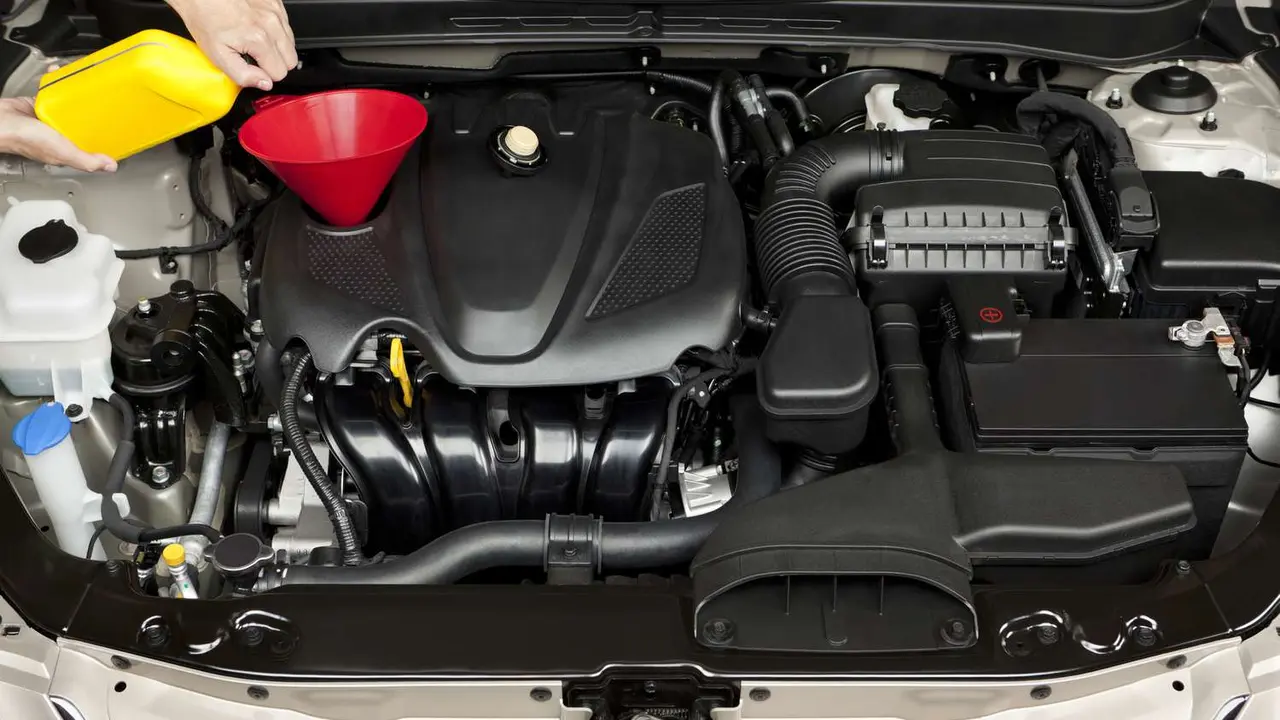
- Fluids: Oil, coolant, brake fluid, power steering fluid, windshield washer fluid – check 'em all! Low fluid levels can indicate leaks or other problems.
- Lights: Headlights, taillights, brake lights, turn signals, hazard lights – make sure they're all working properly. A burnt-out bulb can be a ticket waiting to happen.
- Battery: Check the battery terminals for corrosion. If your car is having trouble starting, your battery might be on its last legs.
- Hoses and Belts: Inspect hoses for cracks and leaks. Check belts for wear and tear. A broken belt can leave you stranded.
- Wipers: Make sure your wipers are in good condition and effectively clear your windshield. Visibility is key, especially in bad weather.
Recommended Roadside Safety Products and Their Uses Emergency Situations
Okay, now let's talk about some gear that can really save your bacon if you do find yourself stuck on the side of the road. I'm going to recommend a few products, give you some scenarios where they'd be useful, and compare different options.
Portable Jump Starter Battery Booster Roadside Assistance
Dead battery? It happens to the best of us. A portable jump starter can get you back on the road without needing to flag down a stranger.
- Product Recommendation: NOCO Boost Plus GB40 1000 Amp 12-Volt UltraSafe Lithium Jump Starter
- Use Case: Your car won't start in a parking lot. You use the jump starter to get it going, then drive to an auto parts store for a new battery.
- Comparison: Cheaper jump starters might not have enough power for larger engines. More expensive ones might have extra features like USB charging ports and built-in flashlights.
- Price: Around $100
Tire Inflator Portable Air Compressor Flat Tire Repair
A flat tire is a major bummer, but a portable tire inflator can help you get to a safe location or even inflate a spare tire. Make sure you know how to change a tire safely before attempting this!
- Product Recommendation: EPAuto 12V DC Portable Air Compressor Pump Digital Tire Inflator
- Use Case: You get a slow leak in your tire on the highway. You pull over, inflate the tire with the compressor, and drive slowly to a tire shop.
- Comparison: Some compressors are faster than others. Some have automatic shut-off features. Some are more compact and easier to store.
- Price: Around $30
Roadside Emergency Kit First Aid Safety Gear
A well-stocked roadside emergency kit is a must-have. It should include things like jumper cables, a flashlight, a first-aid kit, a reflective safety vest, and warning triangles.
- Product Recommendation: Lifeline AAA Premium Road Kit
- Use Case: You're stranded on the side of the road at night. You put on the reflective vest, set out the warning triangles, and use the flashlight to signal for help. You also use the first-aid kit to treat a minor injury.
- Comparison: Some kits are more comprehensive than others. Look for one that includes the essentials and meets your specific needs.
- Price: Around $50
OBD2 Scanner Check Engine Light Diagnostic Tool
That pesky check engine light comes on? An OBD2 scanner can help you diagnose the problem and potentially save you a trip to the mechanic. Be aware that interpreting the codes requires some knowledge, and not all problems can be solved with a simple scan.
- Product Recommendation: Autel MaxiScan MS309 OBD2 Scanner
- Use Case: Your check engine light comes on. You plug in the scanner, read the code, and find out it's a loose gas cap. You tighten the gas cap, clear the code, and the light goes off.
- Comparison: More expensive scanners can read more codes and provide more detailed information. Some can even reset certain systems.
- Price: Around $20
Dash Cam Vehicle Security Recording System
While not strictly for roadside safety *after* a breakdown, a dash cam can be invaluable in the event of an accident. It provides video evidence that can be used to determine fault.
- Product Recommendation: Vantrue N2 Pro Uber Dual Dash Cam
- Use Case: You're involved in a fender bender. The dash cam records the entire incident, providing clear evidence of what happened.
- Comparison: Some dash cams have better video quality than others. Some have features like GPS tracking and parking mode. Dual dash cams record both the front and rear of the vehicle.
- Price: Around $200
DIY Inspection vs Professional Mechanic Assessment Safety First
Now, you might be thinking, "Can I just do this inspection myself?" The answer is… it depends. A basic visual inspection, checking fluids, and tire pressure is definitely something you can handle. But for more complex issues, like brake problems or suspension issues, it's best to leave it to the professionals. Your safety is paramount!
A professional mechanic has the training, experience, and tools to properly diagnose and repair any problems. They can also spot potential issues that you might miss. Think of it like this: you can change your own oil, but you wouldn't perform open-heart surgery on yourself, right?
Even if you do perform your own basic inspections, it's still a good idea to have your car professionally inspected at least once a year. This will give you peace of mind knowing that your car is in good working order.
Roadside Assistance Membership Peace of Mind Emergency Support
Finally, let's not forget about roadside assistance memberships. Services like AAA can be a lifesaver if you find yourself stranded. They can provide services like towing, jump starts, tire changes, and fuel delivery. The peace of mind knowing that help is just a phone call away is well worth the cost.
So, there you have it. Regular vehicle inspections, a well-stocked emergency kit, and a roadside assistance membership are your best defenses against roadside breakdowns. Stay safe out there!
:max_bytes(150000):strip_icc()/277019-baked-pork-chops-with-cream-of-mushroom-soup-DDMFS-beauty-4x3-BG-7505-5762b731cf30447d9cbbbbbf387beafa.jpg)